An overcoat is one of those rare menswear pieces that solves multiple problems at once. It keeps you warm, obviously, but it also pulls an outfit together in a way almost nothing else can. Throw the right overcoat on over fairly ordinary clothes and you suddenly look “finished” - sharper, better put together, more intentional. The good news is that styling one isn’t complicated. The even better news is that once you’ve got a couple of reliable combinations in your back pocket, you’ll wonder how you ever got through winter without it.
The key is to treat the overcoat as the top note of the outfit. Because it’s the first thing people see, it sets the tone: smart, relaxed, businesslike, weekend-ready. So rather than thinking “what goes with an overcoat?”, it’s often more useful to think “what mood am I going for today?” and then choose the coat (and the layers underneath) to match.
The overcoat that does the most work

If you only own one, a single-breasted wool overcoat in navy, charcoal, or mid-grey is about as versatile as menswear gets. Navy looks effortlessly sharp with grey flannel and equally comfortable with dark denim. Charcoal leans slightly dressier, so it’s excellent for commuting, evenings and anything involving tailoring. Mid-grey is the middle ground - smart without feeling stiff, and easy to wear with black, brown, navy and neutral knitwear.
Camel is the other classic worth mentioning, because it elevates simple combinations beautifully. Over a navy knit and grey trousers it looks confident, and you don’t need to do much else. The one caveat is that very pale camel hue can feel more “statement” than darker neutrals, so if you want a coat that disappears into your wardrobe, navy or charcoal is the safer first choice.
Fit matters more than people admit, and it’s usually where overcoats go wrong. You want clean shoulders, enough room to move, and enough space to layer without the coat pulling across your back when you button it. Length is a personal call, but for most men a coat that lands around the knee is the sweet spot: it looks properly classic, it works over tailoring, and it adds a flattering vertical line that makes you look taller and neater. Shorter coats can look good too, but are often associated with casual dressing.

Start with proportion, then add warmth
If your overcoat is doing the heavy lifting visually, everything underneath can be relatively straightforward. That’s why winter dressing gets easier once you’ve got a good one. The trick is to layer in a way that keeps the coat sitting smoothly. Cashmere is your friend here: warm, slim, and tidy at the collar. A roll neck is another easy refinement, because it streamlines the neckline and looks considered without fuss, especially under a single-breasted coat. If you prefer shirts, an Oxford button-down under a knit (or under a soft-shouldered blazer) gives you warmth and structure without bulk.
Where people get into trouble is piling on thick layers that fight the coat. If your coat is cut quite cleanly, a chunky jumper or heavy cardigan can make your top half look crowded. That doesn’t mean you can’t do it - just keep the colours calm and the silhouette controlled, and make sure the coat still buttons comfortably.
Match the coat to the outfit’s formality
One of the simplest styling rules is that your coat should sit in the same “smartness zone” as the clothing underneath. A structured, dark overcoat looks perfect over a suit because it shares that crispness. The same coat over ripped light-wash jeans and a battered trainer, though, is going to feel like two outfits arguing. If you want to dress down, do it with pieces that still look intentional: dark indigo denim, smart boots, a neat knit, a clean white trainer if you must. The overcoat doesn’t need to be precious - it just needs a supporting cast that doesn’t undermine it.
And if you’re dressing up, commit to it. Tailoring under an overcoat looks superb, but only when the proportions are right. Ideally the coat is long enough to cover the suit jacket, or at least not leave it poking out the bottom. A hint of shirt cuff at the wrist looks elegant, and it’s worth checking sleeve length for that reason alone.
Three outfit formulas you can rely on
Here are a few combinations that work again and again, and they’ll cover most winter situations without overthinking.
Overcoat + knitwear + chinos
This is the luxury look that never feels forced. A navy, charcoal or camel overcoat over a merino crew neck or roll neck, paired with brushed cotton chinos gives you warmth and polish in one go. Finish with suede loafers if you’re staying mostly indoors, or with smart boots if you’re out properly.
Overcoat + tailoring
If you’re wearing a suit, the overcoat should make the whole thing look more deliberate, not just warmer. Darker coats tend to frame tailoring best - navy or charcoal are hard to beat. Keep the shirt and tie simple, choose clean leather shoes, and if you add a scarf, go understated rather than bold.
Overcoat + dark denim + boots
This is the everyday option that still projects authority. Think single-breasted wool coat, dark indigo jeans with no distressing, a knit or Oxford shirt, and Chelsea boots or derbies. It’s simple, but it qualifies as smart because everything is tidy: clean denim, good footwear, and a coat with enough structure to top it off.

Scarves, gloves, and the small details that make a difference
Accessories are where an overcoat can either look effortlessly pulled together or slightly overdone. A scarf is brilliant, but it shouldn’t dominate the outfit. In practice that usually means solid colours, subtle patterns, and a fabric that feels right for the coat - wool or cashmere rather than anything overly bulky if the coat is quite structured. If you’re wearing tailoring, a simple drape is often the most elegant. If you’re out in the cold, loop it once and get on with your day.
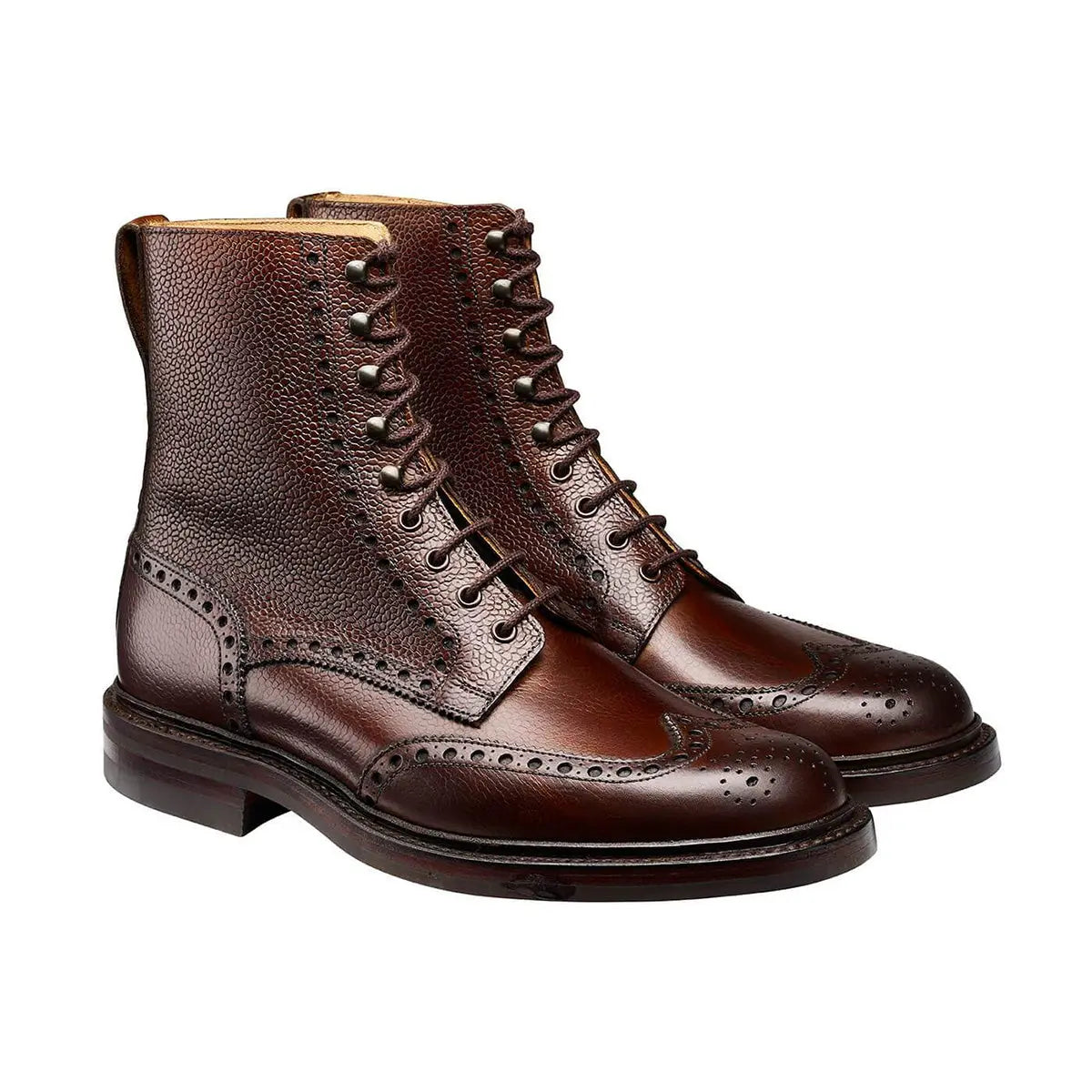
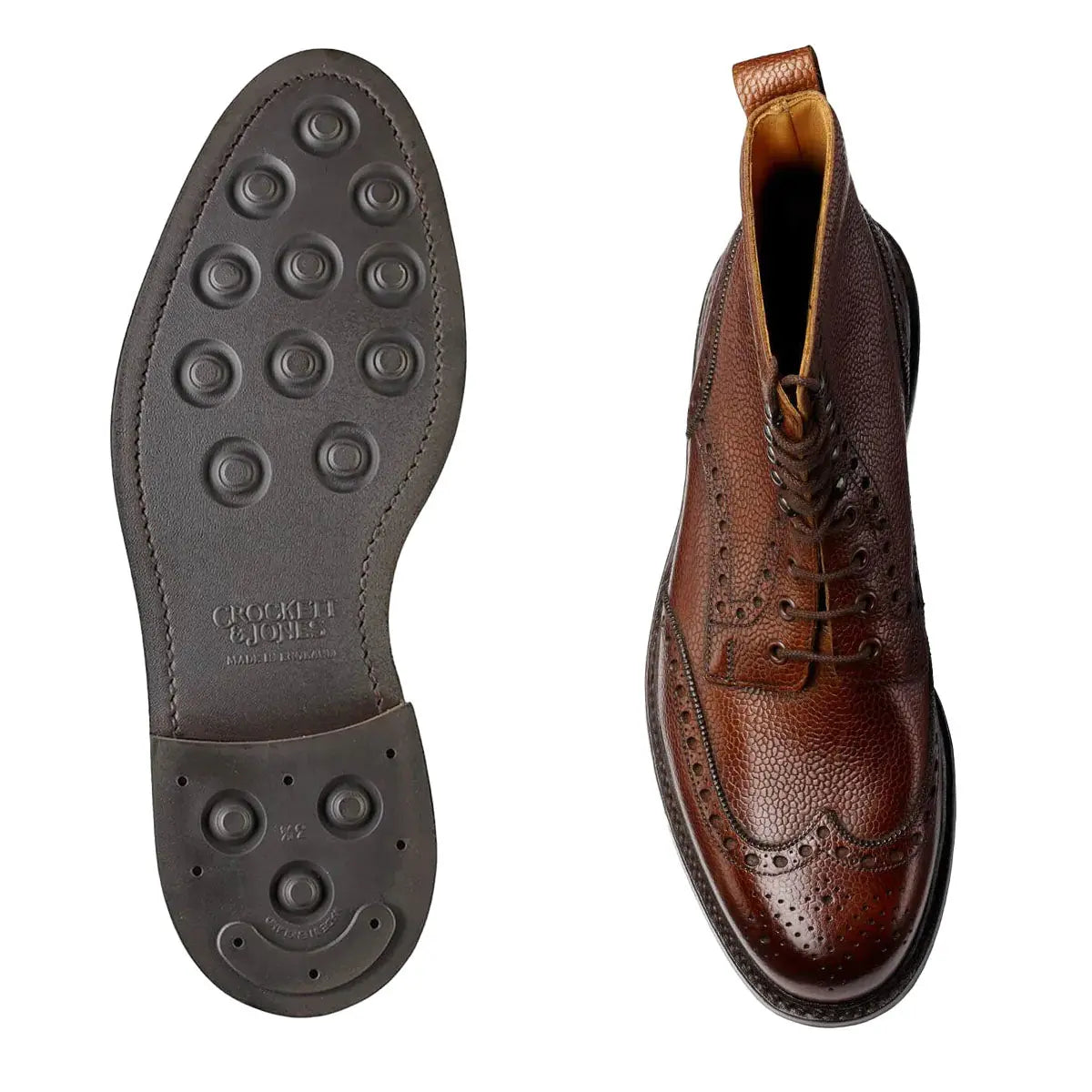
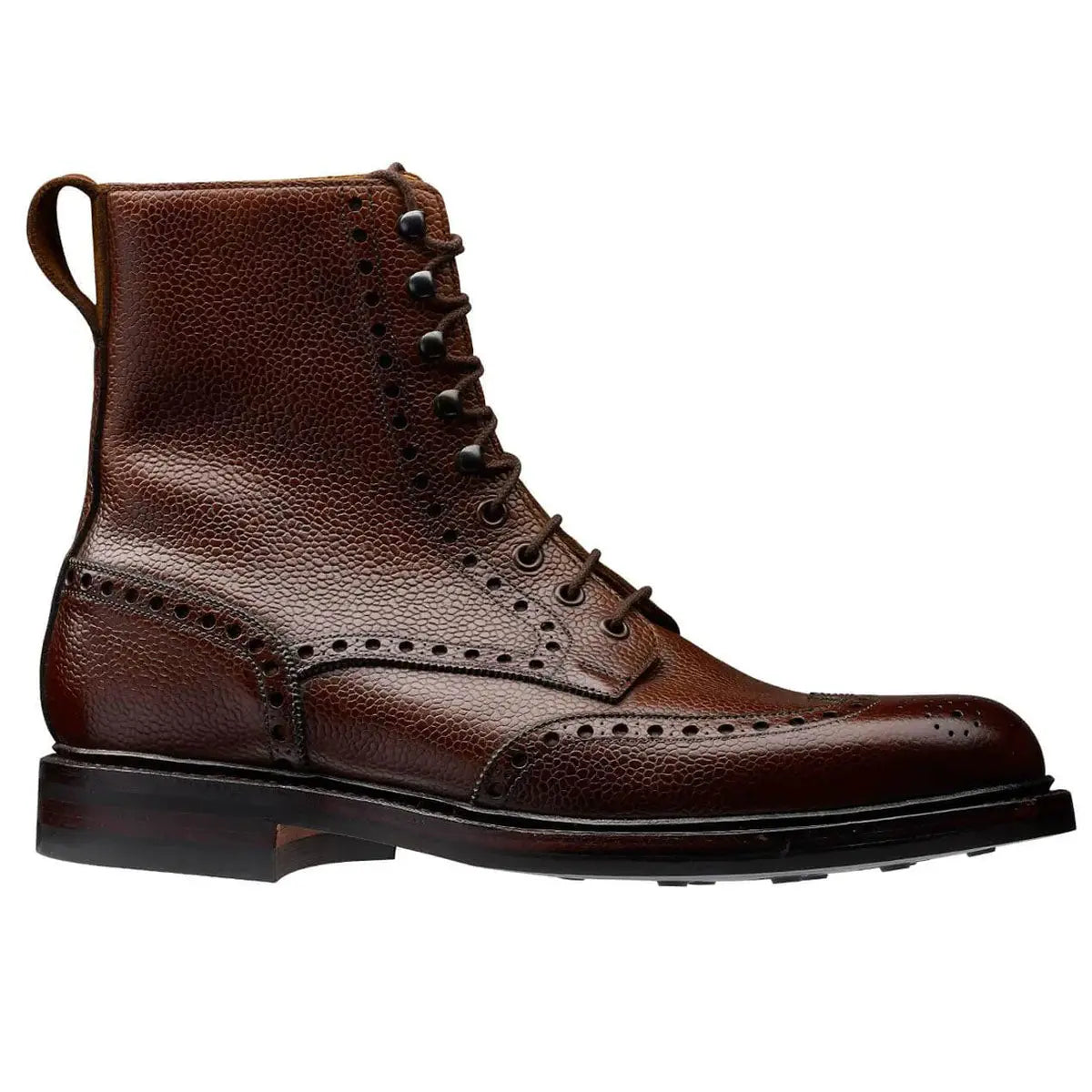
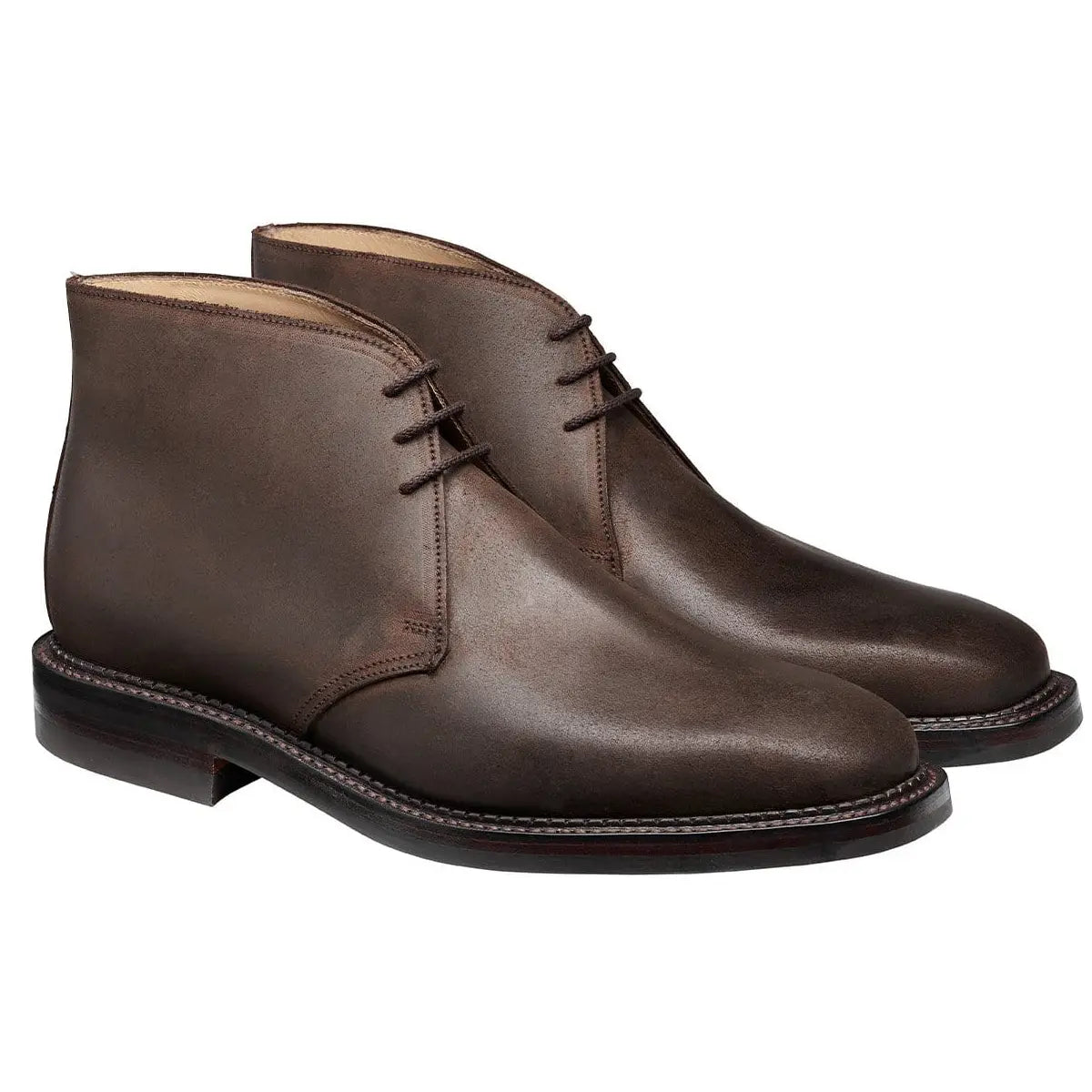
Gloves are worth it too, partly because they look good and partly because they’re genuinely useful. Leather gloves in dark brown or black are classic for city dressing; suede reads a touch more relaxed if that’s your style. And don’t underestimate footwear: it’s the anchor for the whole outfit. Oxfords and derbies sharpen things up, loafers keep it sleek, and Chelsea boots are the all-round winner because they’re smart, practical, and suit almost any overcoat.
Mistakes to avoid when wearing an overcoat
The most common issue is trying to mix extremes: a very formal coat over very casual clothes, or a very slim coat over layers that are too thick. If something feels off in the mirror, it’s usually because the outfit doesn’t agree with itself. Bring the pieces closer together - swap a scruffy trainer for a boot, swap a bulky layer for merino, or choose a coat with a slightly softer shoulder if you want a more relaxed feel.
The other mistake is overcomplicating it. An overcoat is already a strong piece. Keep your colours coherent, lean on good basics underneath, and let the coat do what it’s designed to do: make you look sharper, without you having to think about it too much.
A final thought
If you want the simplest route to looking well-dressed all winter, build around a great overcoat and keep everything else calm and well-fitting. A good coat turns everyday outfits into something more refined, and it makes smart outfits feel complete. In other words: it’s not a “nice to have”. It’s the piece that makes the rest of your wardrobe look better.